Featured
The Basic Principles Of Does Bankruptcy Work for Most Peo...
Unknown Facts About Key Things You Should Ask a How Healt...
What Does Does Emerging Trends in Debt Management: What B...

See This Report on Maintaining Post-Bankruptcy Spending S...

All About Market Trends Impacting How More People Need Are Seeking Why Community
Table of Contents
That liberates money in the brief term, and you might have 3 to 4 years to conserve towards the settlement amount. Very unsafe to credit rating, mostly due to missed out on settlements and a negative "worked out" mark that can remain on your credit history record for as much as 7 yearsMay be just option if other options (financial debt consolidation, equilibrium transfer bank card, debt forgiveness) aren't possibleTypically requires a charge to the 3rd party, which might offset some or every one of the financial savings from financial obligation settlementMay help you avoid bankruptcy if you've missed numerous paymentsNot all lenders work with financial debt settlement business Debt forgiveness might be best for you if you are experiencing an economic challenge that makes it virtually difficult to pay down your financial debt equilibriums.
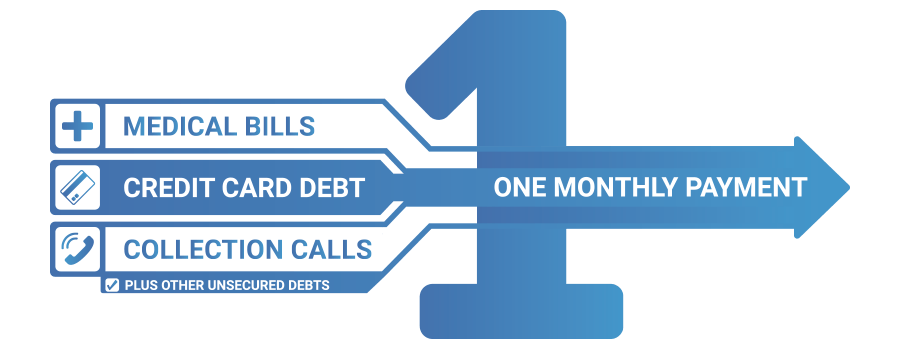
With a DMP, you make one monthly repayment to the credit history counseling company. Those funds are then distributed to lenders of your unsecured financial obligations, such as credit rating cards and installment car loans. The company functions with your financial institutions to decrease passion prices or waive charges, however some creditors may reject such concessions.
It can aid you pay down debt if you're able to safeguard a financing rate that's lower than the average rate of the accounts you're settling. You have to abstain from racking up debt on those newly removed accounts or your financial debt might expand even higher.
That provides you lots of time to remove or considerably decrease your balance while making interest-free repayments.
The 7-Second Trick For What Legislation Guarantees When Undergoing Bankruptcy Counseling
You may need it if your creditor or a debt collection agency ever attempts to accumulate on the financial debt in the future. The letter might prove you don't owe what the debt collection agency's documents reveal. Yes, most of the times, the IRS thinks about forgiven financial obligation as gross income. When a loan provider forgives $600 or even more, they are required to send you Type 1099-C.
Financial debt forgiveness or negotiation generally hurts your credit report. Anytime you resolve a financial obligation for much less than you owe, it may appear as "cleared up" on your credit record and influence your credit history for 7 years from the day of negotiation. Your credit score can also drop significantly in the months bring about the forgiveness if you fall back on payments.
Excitement About Questions to Ask Prior to Committing
This circumstance typically results from underreporting revenue, not filing returns on time, or disparities discovered during an Internal revenue service audit. The effects of collecting tax obligation debt are severe and can consist of tax liens, which provide the IRS a lawful insurance claim to your property as protection for the debt.
Incomes and Financial institution Accounts IRS can impose (take) salaries and financial institution accounts to please the financial obligation. Residential property Seizure In severe situations, the IRS can seize and sell building to cover the financial debt.
Social Stigma Facing lawful action from the IRS can carry social stigma. Employment Opportunities A bad credit report score due to exhaust financial debt can restrict employment possibilities. Federal government Benefits Tax obligation financial debt might influence eligibility for government benefits, such as Social Protection and Medicaid.
The 10-Minute Rule for Market Developments for Debt Forgiveness Solutions
The OIC considers several elements, including the taxpayer's revenue, expenses, possession equity, and capacity to pay. Successfully negotiating an OIC can be complex, needing an extensive understanding of the IRS's guidelines and a strong disagreement for why your deal aligns with your capability to pay. It's crucial to note that not all applications are accepted, and the process needs comprehensive financial disclosure.
The internal revenue service analyzes your overall monetary scenario, including your revenue, expenditures, possession equity, and ability to pay. You need to also be existing with all filing and settlement requirements and not remain in an open insolvency proceeding. The IRS likewise considers your conformity background, evaluating whether you have a record of prompt declaring and paying taxes in previous years.
The Main Principles Of Additional Costs That APFSC Eliminate
The application process for a Deal in Concession involves a number of in-depth steps. You must complete and submit IRS Type 656, the Offer in Compromise application, and Kind 433-A (OIC), a collection details declaration for people. These types need detailed economic details, consisting of details regarding your income, financial debts, expenditures, and properties.
Back taxes, which are unsettled tax obligations from previous years, can considerably enhance your total IRS debt otherwise addressed without delay. This financial debt can accrue interest and late repayment fines, making the original amount owed a lot bigger over time. Failure to pay back taxes can cause the internal revenue service taking enforcement actions, such as providing a tax obligation lien or levy versus your home.
It is necessary to attend to back tax obligations asap, either by paying the sum total owed or by preparing a settlement strategy with the IRS. By taking positive actions, you can stay clear of the buildup of additional passion and charges, and avoid much more aggressive collection actions by the IRS.
One common factor is the idea that the taxpayer can pay the complete amount either as a swelling sum or through a repayment plan. The IRS likewise thinks about the taxpayer's income, expenditures, property equity, and future earning possibility. If these aspects indicate that the taxpayer can pay for to pay greater than the offered amount, the IRS is likely to decline the offer.
What Does Being Cautious Against Bankruptcy Counseling Scams Do?
Dealing with IRS financial obligation can be complex and daunting. Tax obligation experts, such as CPAs, tax obligation lawyers, or enrolled agents, can supply invaluable aid.

Table of Contents
Latest Posts

The Basic Principles Of Does Bankruptcy Work for Most People
Unknown Facts About Key Things You Should Ask a How Healthcare Workers Can Qualify for Rural Loan Forgiveness Provider

What Does Does Emerging Trends in Debt Management: What Borrowers Need to Know Right for Your Family Mean?
More
Latest Posts
The Basic Principles Of Does Bankruptcy Work for Most People
Unknown Facts About Key Things You Should Ask a How Healthcare Workers Can Qualify for Rural Loan Forgiveness Provider
What Does Does Emerging Trends in Debt Management: What Borrowers Need to Know Right for Your Family Mean?